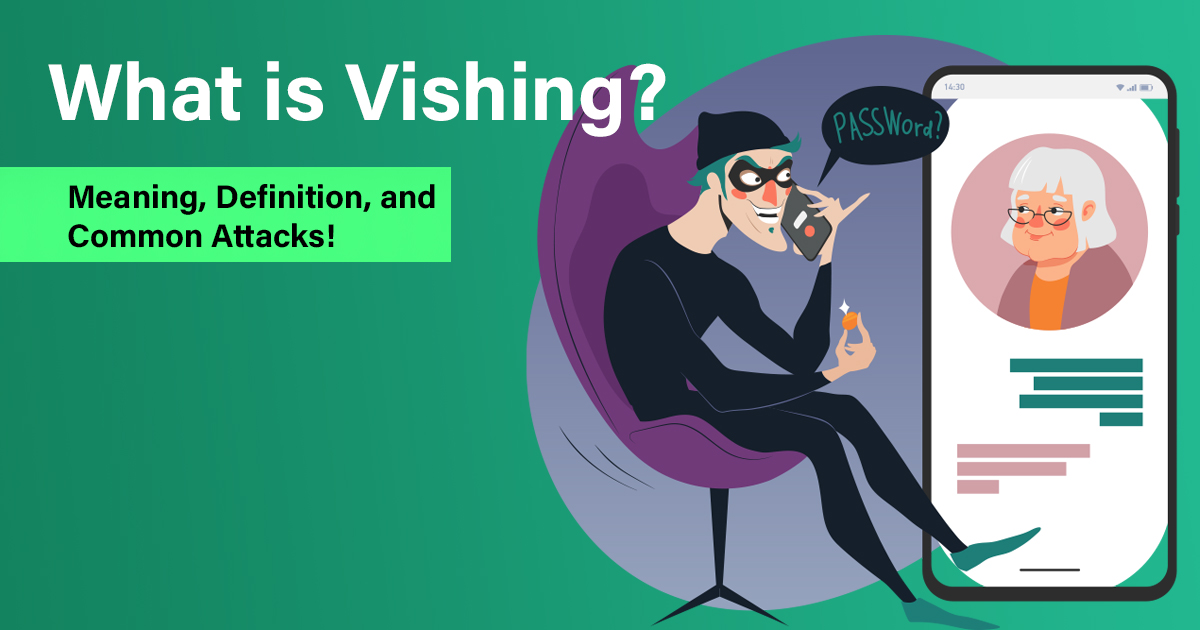
What is Vishing? Meaning, and Common Attacks
In today’s digital world, cybercriminals are constantly coming up with new tricks to steal and divulge sensitive information. One of these deceptive methods is called ‘vishing’. You might have heard the term before but wondered, "What is vishing exactly?" Let’s dive deep into its meaning, how it works, and how to prevent vishing attacks and protect yourself.
What is Vishing?
The term ‘vishing’ is short for "voice phishing attack." It’s a type of cyberattack where scammers use phone calls or voice messages to trick people into revealing personal, financial, or sensitive information. Unlike traditional phishing, which often involves emails, vishing scams rely entirely on voice communication.
Here’s a simple definition of vishing:
A vishing attempt is a fraudulent act where scammers steal your information or money from fake phone calls or voice messages.
How Does Vishing Work?
Vishing attacks are carefully planned to manipulate victims into sharing sensitive and confidential information. The process usually involves some key steps:
Impersonation
The scam begins with the attacker pretending to be someone trustworthy, such as a bank official, government representative, or tech support agent. By using professional-sounding language and even spoofed caller IDs, they gain the victim’s trust. For instance, the caller ID might display the name of your bank, adding a layer of credibility.
Urgency
Once trust is established, the scammer creates a sense of urgency. They might claim your account is at risk, your text message is overdue, or your computer is compromised. This urgency forces victims to act quickly, leaving little time for rational thinking. The goal is to make the victim panic and comply without questioning the legitimacy of the call.
Manipulation
Next, the attacker uses psychological manipulation to extract sensitive data or private information like PINs, credit card numbers, or login credentials. They might guide victims through fake security procedures or instruct them to "verify" their details.
Execution
With the stolen information, scammers commit fraud, such as unauthorized transactions or identity theft. Victims often realize the scam only after financial or personal damage is done. Understanding vishing is effective because it exploits emotions and trust in real time.
What is vishing? Vishing is successful because the attackers play on emotions like fear, trust, and urgency.
Common Vishing Scenarios
What is a vishing attack? Vishing attackers use various tactics to trick their potential victims. Here are some of the most common scenarios:
a. Fake Bank Calls
Some vishing scammers impersonate bank officials, claiming there’s suspicious activity on your account. They’ll ask for sensitive details like your account number, PIN, or even OTP (One-Time Password) to "resolve" the issue. Victims, fearing financial loss, often comply, not realizing they’re being scammed.
b. Tech Support Scams
In this scenario, a vishing scammer claims to be from a reputable tech company, warning that your computer has a virus or security issue. They request remote access to "fix" the problem, but instead install malware or steal your data. These vishing calls are highly convincing, especially for those less familiar with technology.
c. Government Impersonation
Fraudsters pose as government officials, saying you owe unpaid taxes or are under investigation. They use threats of legal action or arrest to intimidate you into paying fines immediately. These common techniques are often used through untraceable methods like gift cards or wire transfers. That is a phishing tactic.
d. Lottery or Prize Scams
The caller claims you’ve won a large prize or lottery but insists on a "processing fee" to release your winnings. Victims, excited about their supposed win, end up losing money instead due to a cyber attack and a social media attack.
e. Charity Scams
During natural disasters or crises, scammers pose as charity representatives, seeking donations. They exploit people’s goodwill and sympathy, diverting funds away from legitimate causes.
Understanding these scenarios can help you identify and avoid phishing, vishing, and smishing attacks.
How Vishing Differs from Phishing and Smishing
Vishing, phishing, and smishing are all forms of social engineering attacks designed to steal sensitive information. These are also engaged with the Social Security Administration. But they differ in their approach and medium in cybersecurity:
Phishing
Phishing attacks use fake emails or websites to trick users into revealing personal information. For example, you might receive an email that looks like it’s from your bank, urging you to click a link and "verify" your account. The link leads to a counterfeit website designed to capture your credentials. Phishing relies heavily on visual deception and is often widespread, targeting many victims simultaneously. That is an organizational best practice for phishing.
Smishing
Smishing involves fraudulent text messages (SMS) to manipulate victims. The text might contain links to malicious websites or ask for sensitive information directly. For instance, a message claiming you’ve won a gift card may urge you to click a link or call a number. Smishing is effective because text messages feel personal and immediate.
Vishing
Vishing relies on phone calls or voice messages to carry out scams. Unlike phishing and smishing, it uses real-time interaction. That makes it more dynamic and manipulative. The scammer’s tone, urgency, and ability to answer questions can make the attack highly convincing.
While all three methods aim to exploit trust, vishing is particularly dangerous due to its interactive and personalized nature.
Why Vishing Attacks Are So Effective
What is Vishing? Vishing attacks succeed because they exploit human psychology and leverage technology to appear convincing. Here’s why they are so effective:
a. Personal Interaction
Hearing a human voice makes the scam feel more credible. Unlike emails or texts, live phone calls. That allows scammers to build trust by sounding professional, empathetic, or authoritative. That harms personal safety measures.
b. Advanced Technology
Scammers use tools like caller ID spoofing to disguise their numbers. For example, the caller ID might display the name of your bank or a government agency. That makes the call seem legitimate. This technology erodes initial skepticism and increases trust.
c. Emotional Manipulation
Vishing attacks play on emotions like fear and urgency. Scammers create scenarios that demand immediate action, such as claiming your account is at risk or you owe taxes. That leaves little room for critical thinking.
d. Lack of Awareness
While many people are cautious about phishing emails, fewer are aware that similar scams happen over the phone. This lack of awareness makes vishing attacks more successful, as victims don’t recognize the warning signs.
These factors combined make vishing an alarmingly effective form of fraud.
How to Identify a Vishing Attack
Recognizing the warning signs of a vishing attack can help you avoid falling victim. Here are key red flags to watch for:
a. Unsolicited Calls
Be wary of unexpected calls, especially from someone claiming to represent a bank, government agency, or tech support. Legitimate organizations rarely reach out without prior notice.
b. Request for Sensitive Information
Reputable companies will never ask for sensitive details like passwords, PINs, or account numbers over the phone. If a caller requests this information, it’s likely a scam.
c. High-Pressure Tactics
Scammers often use urgency to force quick decisions. If the caller demands immediate action, such as making a payment or providing details, pause and verify their claims independently.
d. Too Good to Be True Offers
Offers of winning a lottery or prize you didn’t enter are common scam tactics. If it sounds too good to be true, it probably is.
e. Poor Language or Grammar
While many vishing scams are polished, some use awkward language or incorrect grammar. That can be a giveaway that the call isn’t genuine.
Staying alert to these signs can protect you from vishing attacks.
How to Protect Yourself from Vishing
Protecting yourself from vishing requires awareness and proactive measures. Here are practical steps to prevent vishing:
a. Don’t Share Personal Information
Avoid sharing sensitive details such as passwords, account numbers, or social security numbers over the phone. Legitimate organizations will never ask for this information in unsolicited calls. Those immediate actions will help you very quickly.
b. Verify the Caller
If a call seems suspicious, hang up immediately. Contact the organization directly using their official phone number from a reliable source, like their website or official documents, to confirm the legitimacy of the request by tech support scam.
c. Use Caller ID Cautiously
Do not rely upon unsolicited call IDs or suspicious calls. Scammers can spoof numbers to make the call appear genuine, displaying names like your bank or a government agency.
d. Register for a Do Not Call List
Many countries offer national Do Not Call registries to help reduce phishing scam calls. Registering your number can minimize the chances of being targeted.
e. Be Skeptical
If something feels unusual or too good to be true, trust your instincts. Take time to verify any psychological principles claims before taking action.
f. Report Suspicious Calls
Report vishing calls to local authorities or cybersecurity agencies. Reporting these incidents helps raise awareness and may prevent others from falling victim to similar scam tactics.
By adopting these practices, you can significantly reduce the risk of becoming a vishing victim.
The Bigger Picture: Phishing, Vishing, and Smishing in Cybersecurity
Vishing's meaning is just one part of a growing wave of cybercrime that also includes phishing and smishing. Cybercriminals are becoming more creative in exploiting human trust through various methods, whether through fraudulent emails, text messages, or phone calls. Each form of attack targets different communication channels, but all share the same goal: to steal personal information. Staying informed about these threats and being cautious can help protect you from falling victim. Awareness is your best defense, as attackers continually evolve their tactics to deceive even the most cautious individuals.
At The End
What is Vishing? Vishing, or voice phishing, is a growing concern in the digital age. Scammers use phone calls to manipulate victims into revealing sensitive information, but with awareness and vigilance, you can protect yourself. Remember to stay skeptical of unsolicited calls, verify the caller’s identity, and report any suspicious activity.
By taking these steps, you can safeguard your personal and financial information from falling into the wrong hands. Stay alert, stay informed, and help spread awareness about the dangers of vishing!